


Description
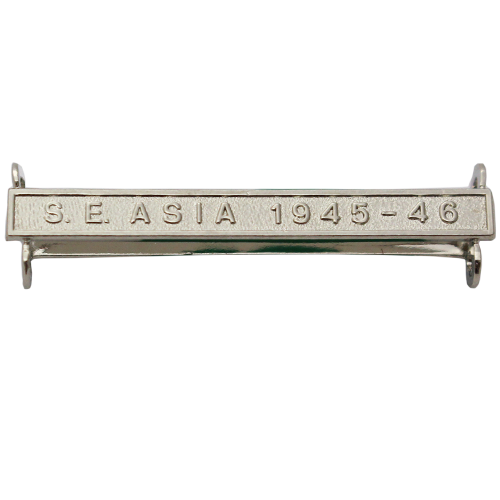
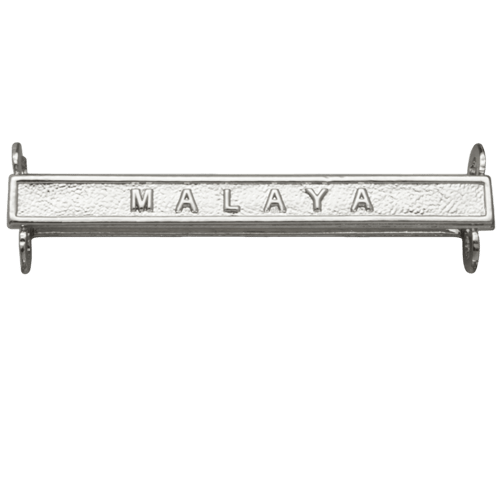
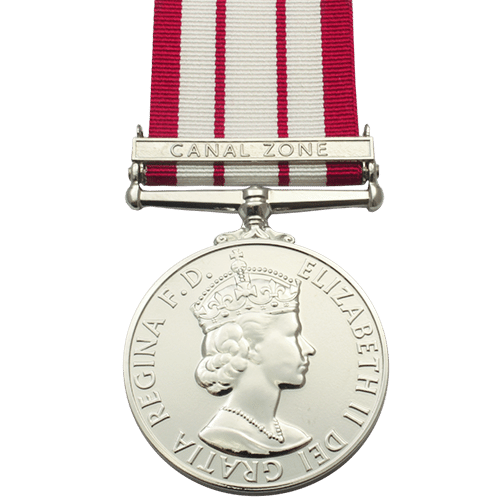
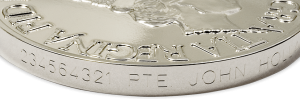
South Vietnam Clasp General Service Medal Full Size
This clasp was instituted by Royal approval on the 16 December 1965 for “members of our Australian Armed Forces who qualify by participation in operations in defence of the Republic of Vietnam as from 24 December 1962, and to a date to be determined,…” Between 1963 and 1965, at least 68 members of the Australian Army Training Team Vietnam (AATTV) and 232 members of the RAAF Transport Flight Vietnam qualified for the clasp. However, a decision of 1966 relating to the institution and award of the Vietnam Medal led to the stripping of the award from the RAAF personnel. A Royal Warrant dated 8 June 1968 retrospectively changed the qualifying periods to:Between 24 December 1962 and 29 May 1964,
-30 days’ service in ships operating in inland waters or off the Vietnamese coast.
-1 day in the service of a land unit.
-1 operational sortie.
-30 days’ service on an official visit.
For service after 29 May 1964, personnel were awarded the Vietnam Medal. Thus, only 68 clasps were issued, and all 68 went to AATTV members. The clasp was only awarded to Australian personnel.
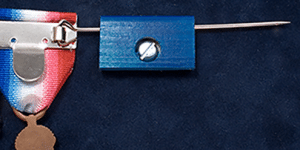
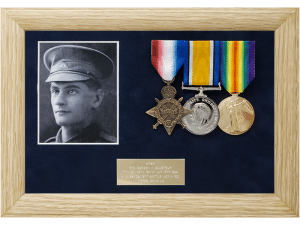 Medals are mounted ready for wear and then placed on a block within the frame. This allows for the easy removal and replacement of the medals as required, meaning they can be removed for wear on parade or for cleaning.
 The medals will hang from the block at a slight angle much as they would if they were being worn on the chest.
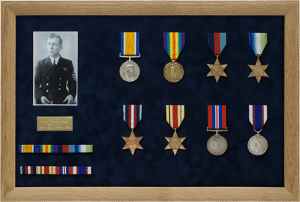 Medals are not mounted ready for wear and instead are placed flat against the frame backing with the medal ribbon secured through a slot. This means that the medals cannot be removed from the frame and cannot be worn.
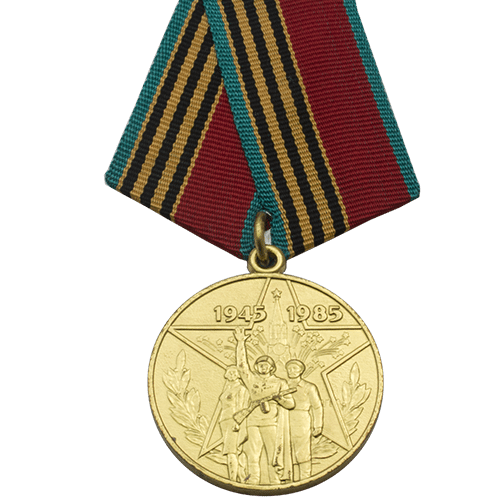
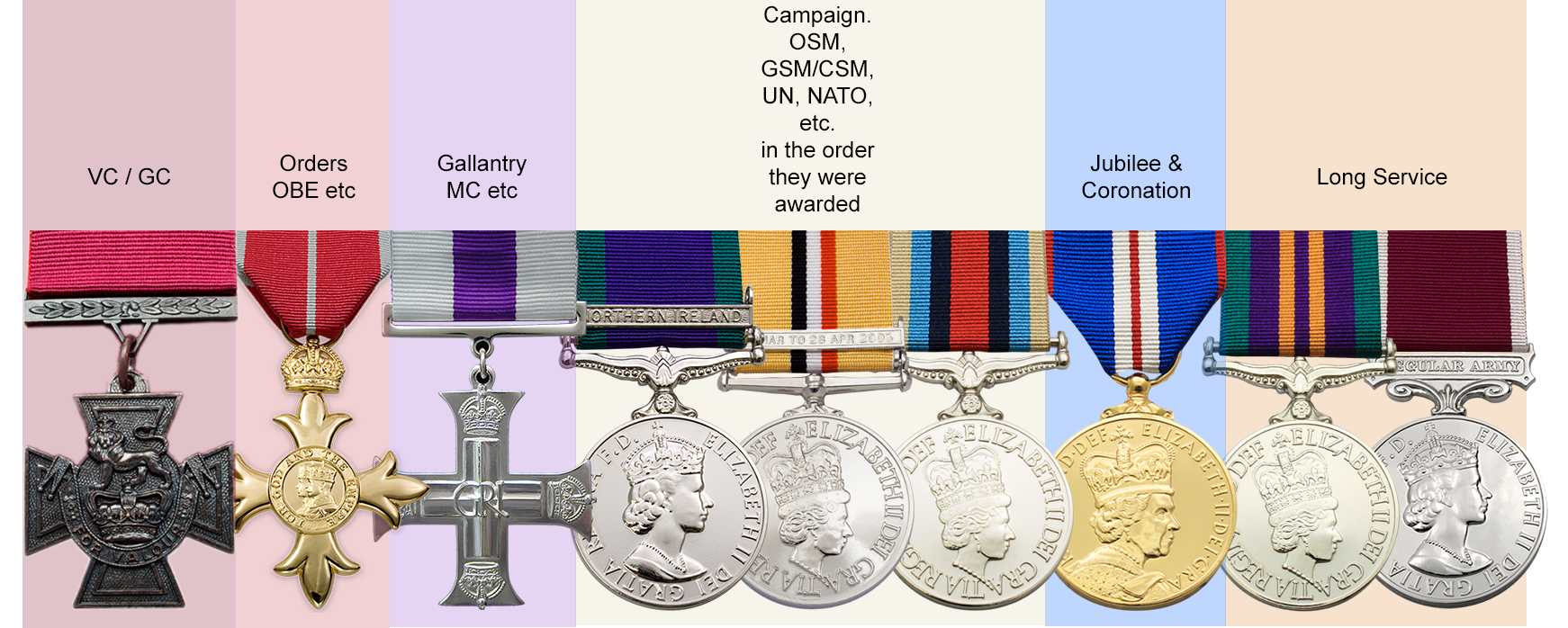
 Medal mounting swing style is the more traditional method of mounting medals. Swing Style or ordinary style mounted medals are mounted on a medal brooch bar which can then be pinned to your tunic directly, through becketts or attached to a pocket holder. This style of medal mounting allows the medals to move or ‘swing’ when worn. Over time, the edge of the medals can become damaged due to the medals “clinking” together.
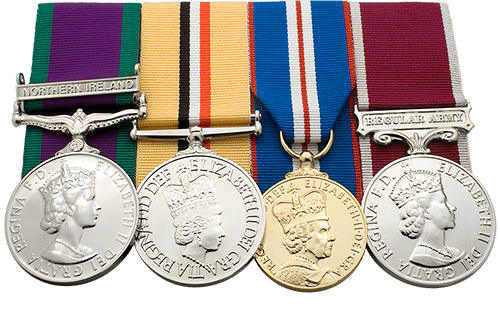 Medal mounting court style is alleged to have began during the reign of Queen Victoria. Those attending the Queen would wear medals court mounted to stop them “clinking”. Other sources suggest that the Cavalry first adopted the practice. Either way, this style of medal mounting is becoming more popular. Court mounted medals are fixed to a rigid backing material called buckram. The buckram is then covered in a felt material before the medals are mounted on their own ribbon length. This style of medal mounting holds the medals firmly in place and prevents them ‘clinking’ together and damaging each other when worn.

Reviews
There are no reviews yet.