
Description
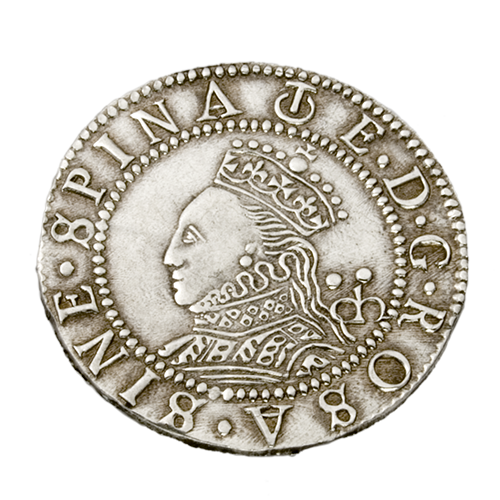
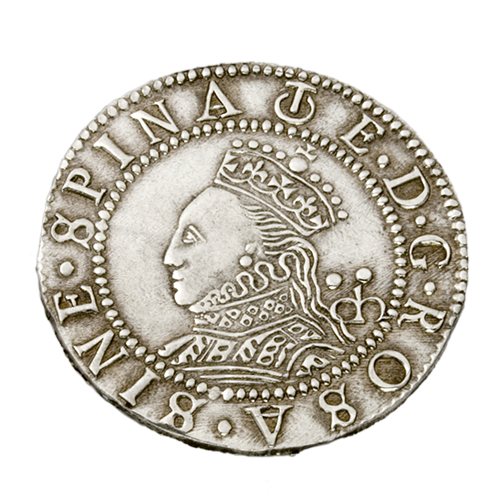
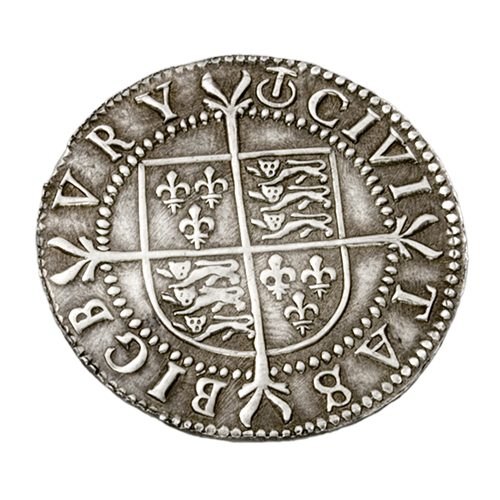
Elizabeth I Silver Half-Groat.
Elizabeth’s coinage is particularly interesting in as much that there are more denominations than in any other reign. There are in fact twenty, none of which carried any mark of value which made it difficult to differentiate the values especially between the smaller silver coins. To avoid this confusion the sixpence, threepence, threehalfpence and threefarthings have a Tudor Rose behind the Queen’s head and the date above the shield on the reverse.
The shilling, groat, halfgroat and penny have neither rose not date. The one exception to this rule is the halfgroat of the 1582 – 1600 issue which has two pellets behind the head to indicate the value of twopence.
This was the coin chosen by the Bigbury Mint to illustrate the coinage of this colourful period in our history. The ‘Head’ side displays a crowned portrait of the Queen in a highly embroidered dress with the titles E. D. G. ROSA. SINE. SPINA. (Elizabeth by the Grace of God – a rose without a thorn). The reverse has the Royal arms quartered with a cross fourche and the mint signature which could read CIVI. TAS. LONDON. (City of London) but on David Holland’s halfgroat the reading is CIVI. TAS. BIGBURY. It is struck in sterling from hand engraved dies.
Mary 1 did much to improve the standard of the coinage during her reign but Elizabeth was determined to raise the quality of all the silver coinage to its original fineness. At the time of her accession there was a vast amount of debased shillings from the reign of Edward VI in circulation.
In 1560 she divided the mint into two sections known as the Nether Mint and the Upper Houses, the latter to melt the base shillings and strike coin in sterling silver quality. To this end in 1582 Elizabeth achieved her ambition of restoring the coinage which set the standard until 1920 in the reign of George V since when the coinage has been gradually debased once more.
This excellent quality, semi-reproduction coin is struck in our Devon workshop.
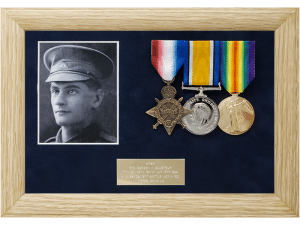 Medals are mounted ready for wear and then placed on a block within the frame. This allows for the easy removal and replacement of the medals as required, meaning they can be removed for wear on parade or for cleaning.
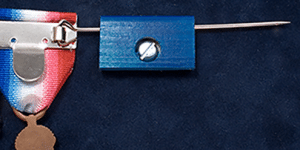 The medals will hang from the block at a slight angle much as they would if they were being worn on the chest.
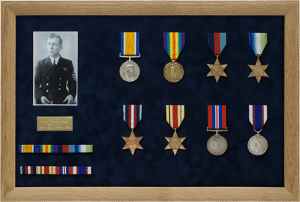 Medals are not mounted ready for wear and instead are placed flat against the frame backing with the medal ribbon secured through a slot. This means that the medals cannot be removed from the frame and cannot be worn.
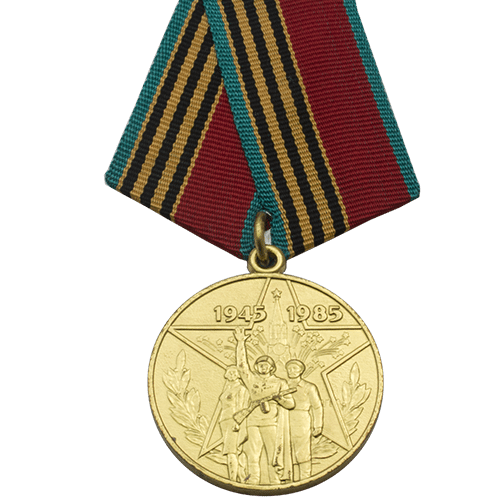
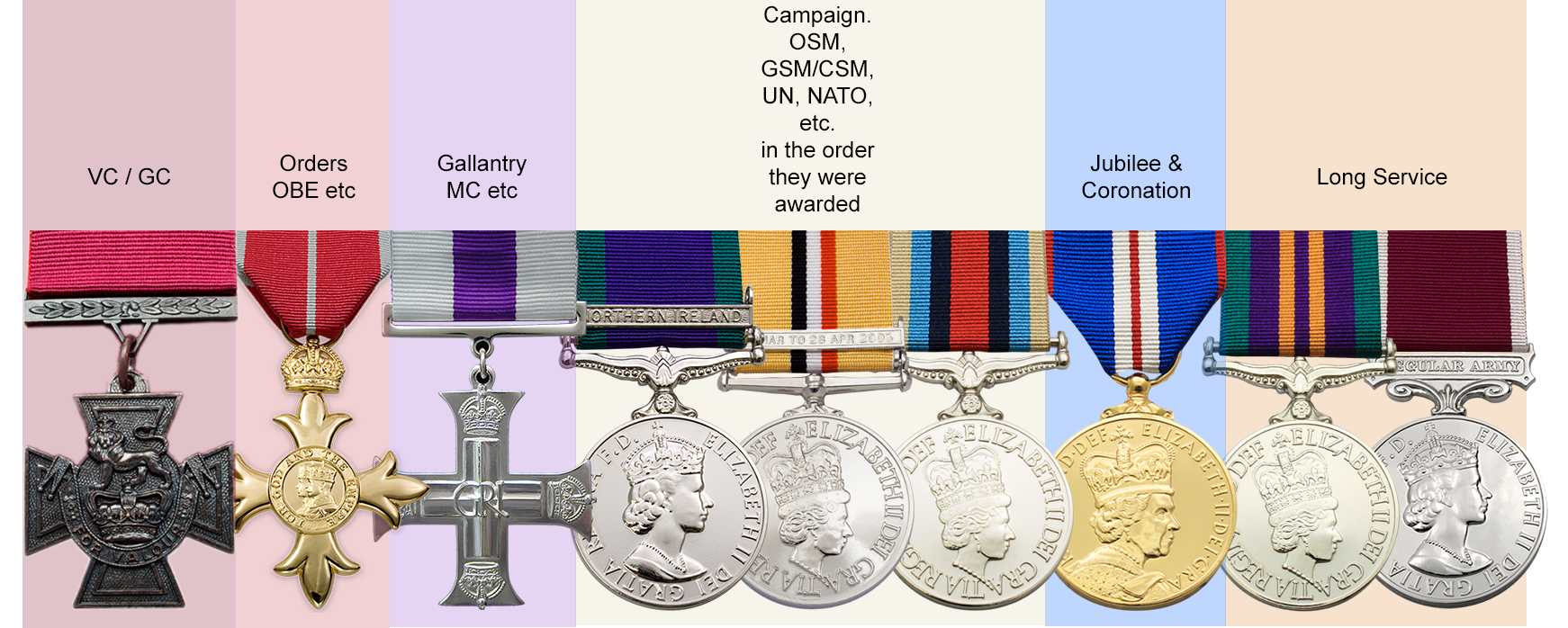
 Medal mounting swing style is the more traditional method of mounting medals. Swing Style or ordinary style mounted medals are mounted on a medal brooch bar which can then be pinned to your tunic directly, through becketts or attached to a pocket holder. This style of medal mounting allows the medals to move or ‘swing’ when worn. Over time, the edge of the medals can become damaged due to the medals “clinking” together.
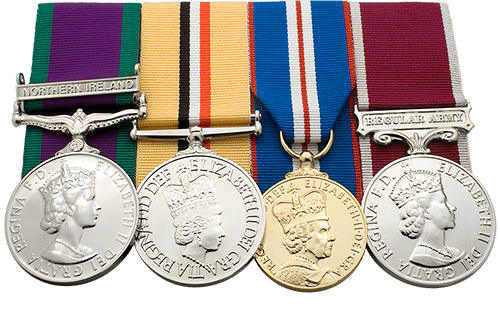 Medal mounting court style is alleged to have began during the reign of Queen Victoria. Those attending the Queen would wear medals court mounted to stop them “clinking”. Other sources suggest that the Cavalry first adopted the practice. Either way, this style of medal mounting is becoming more popular. Court mounted medals are fixed to a rigid backing material called buckram. The buckram is then covered in a felt material before the medals are mounted on their own ribbon length. This style of medal mounting holds the medals firmly in place and prevents them ‘clinking’ together and damaging each other when worn.